
 India Best Places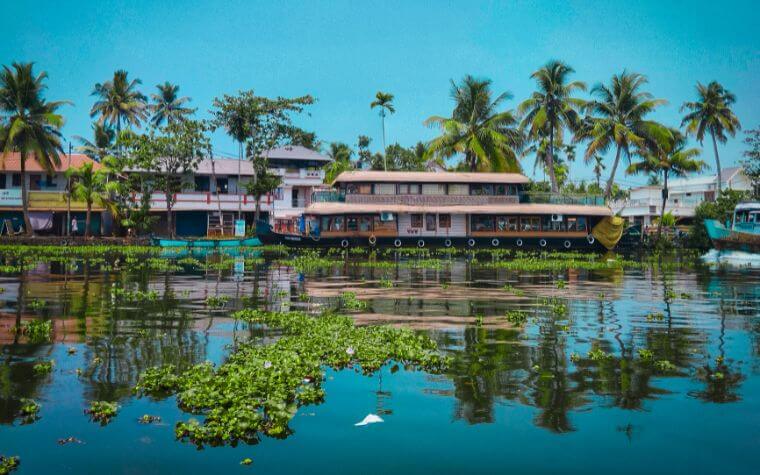
Kerala is not a destination you rush through with a checklist in hand. It is a place that reveals itself slowly—through misty hill roads, quiet backwaters, forest trails, coastal sunsets, and everyday village life.
Over the years, Kerala has maintained a rare balance between tourism and nature, which is why it continues to rank among the most loved travel destinations in India.
This guide to the best places to visit in Kerala is not written from a brochure perspective. It is created after understanding how travelers actually move through the state today—what works, what feels overcrowded, and what still offers genuine experiences.
Instead of short descriptions, each destination is explained in detail so you can decide where to go based on your interests, travel pace, and available time.
Whether you are planning a honeymoon, a family vacation, a solo trip, or a slow nature-focused journey, Kerala has something that fits your travel style.
From iconic backwater destinations like Alleppey and Kumarakom to hill escapes such as Munnar and Vagamon, from wildlife-rich regions like Thekkady and Silent Valley to cultural centers like Kochi, Thrissur, and Kannur—this list covers Kerala in a balanced and practical way.
If you are planning a Kerala trip in the current travel season and want reliable, up-to-date, and well-explained information, this guide will help you plan better and travel smarter.
1. Alleppey (Alappuzha) – The Backwater Capital of Kerala
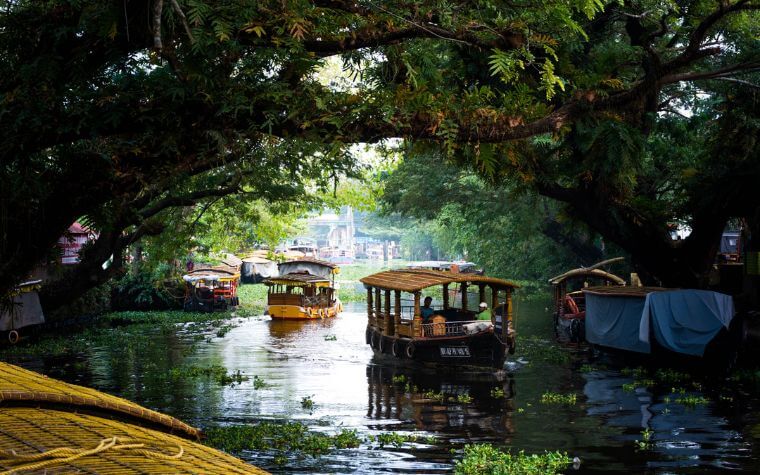
Alleppey is widely regarded as the heart of Kerala’s backwater tourism, and even today, it remains one of the most authentic experiences the state has to offer. The town is built around an intricate network of canals, lagoons, and lakes that connect rural villages to the larger Vembanad Lake. What makes Alleppey truly special is not just the scenery, but the lifestyle that unfolds along the water.
A houseboat journey through Alleppey allows travelers to witness everyday life from a unique perspective—children going to school in small boats, villagers washing clothes along the banks, and farmers working in paddy fields that sit below sea level. Over the years, houseboats have evolved into comfortable floating accommodations with modern amenities, while still retaining their traditional wooden structure.
Beyond houseboats, Alleppey also offers beaches, temples, and quiet countryside walks. It is a destination that encourages slow travel and suits couples, families, and solo travelers alike.
Best Time to Visit: October to March
Ideal Duration: 1–2 days
2. Kochi – The Cultural and Historical Gateway to Kerala
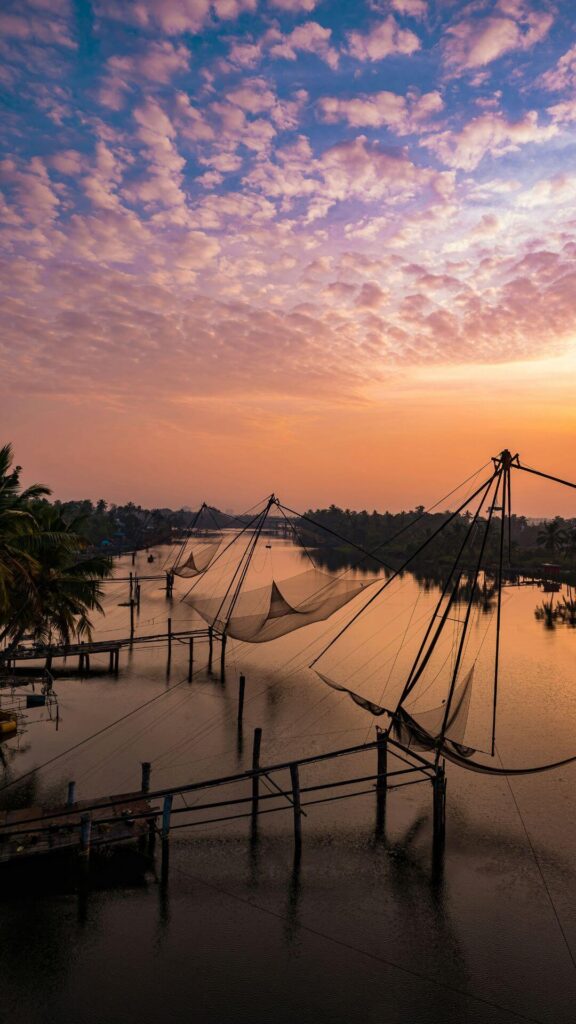
Kochi plays a crucial role in shaping a traveler’s first impression of Kerala. As a historic port city, it has been influenced by Portuguese, Dutch, British, Arab, and Chinese traders, all of whom have left visible marks on its architecture and culture. This blend makes Kochi one of the most culturally diverse cities in South India.
Fort Kochi is the city’s most iconic area, known for colonial-era buildings, heritage churches, art galleries, and cafés. Walking through its streets feels like moving through different historical periods at once. The famous Chinese fishing nets along the shoreline are not just tourist attractions but symbols of Kochi’s centuries-old maritime connections.
Modern Kochi complements its heritage with shopping centers, waterfront promenades, and a growing creative scene. It works equally well as a short stopover or a destination worth exploring in depth.
Best Time to Visit: October to March
Ideal Duration: 2–3 days
3. Munnar – Tea Gardens, Hills, and a Cool Mountain Climate
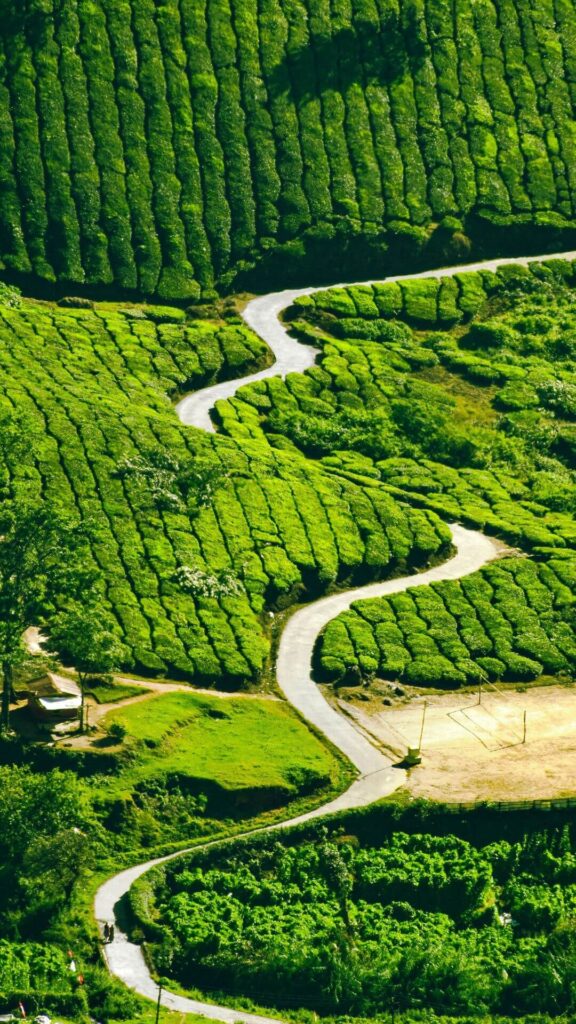
Munnar is one of Kerala’s most recognizable hill stations, known for its vast tea estates that stretch across rolling hills. Located in the Western Ghats, the region enjoys a cool and refreshing climate throughout the year, making it a favorite escape from the heat of the plains.
The charm of Munnar lies in its landscapes—mist-covered valleys, winding mountain roads, waterfalls, and neatly lined tea bushes. Eravikulam National Park adds ecological value to the region and is home to the endangered Nilgiri Tahr. Several viewpoints and trekking routes make Munnar appealing to both casual travelers and adventure enthusiasts.
While the town area can get busy, staying in tea estate resorts or slightly remote properties offers a quieter and more immersive experience. Munnar suits honeymooners, families, photographers, and nature lovers equally well.
Best Time to Visit: Year-round
Ideal Duration: 2–3 days
4. Thekkady – Wildlife, Forests, and Spice Plantations
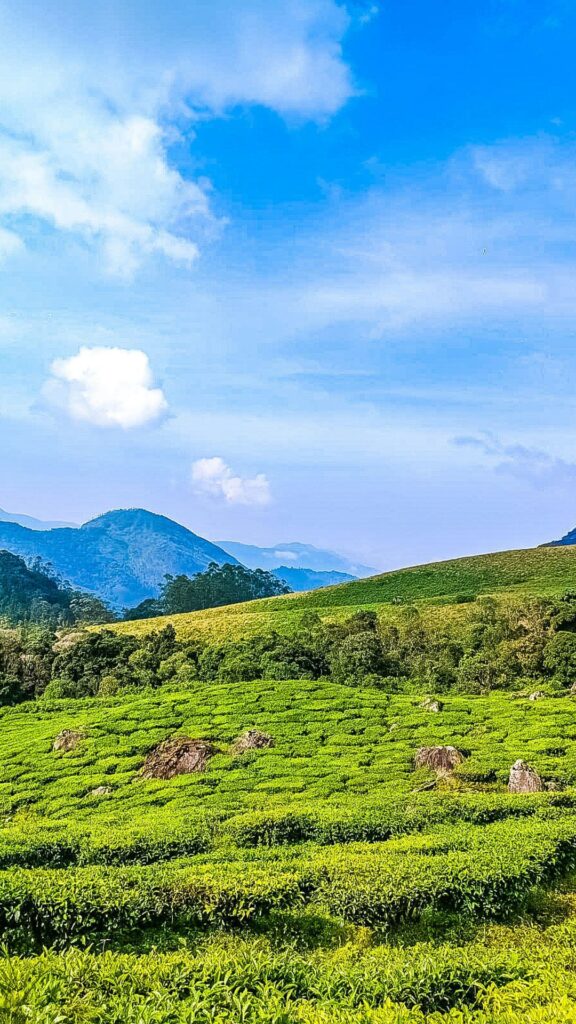
Thekkady is best known for the Periyar Wildlife Sanctuary, one of South India’s most well-managed protected areas. Unlike traditional jeep safaris, Thekkady offers boat safaris on Periyar Lake, giving travelers a peaceful yet exciting way to observe wildlife along the forest edges.
Elephants are the most commonly sighted animals, along with deer, wild boars, and a wide variety of birds. The surrounding region is also rich in spice plantations, where guided tours explain the cultivation of cardamom, pepper, cloves, and cinnamon—spices that have historically defined Kerala’s global trade importance.
Thekkady’s cool climate, forested surroundings, and limited commercial development make it ideal for travelers seeking nature-based experiences rather than city-style tourism.
Best Time to Visit: October to February
Ideal Duration: 1–2 days
5. Wayanad – Raw Nature, Forest Trails, and Mountain Silence
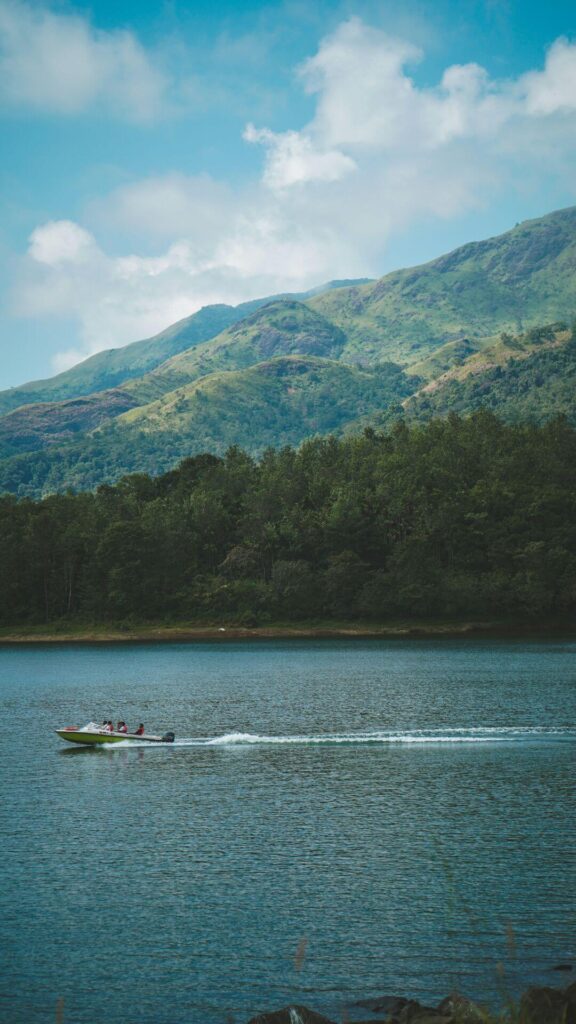
Wayanad is one of the most naturally rich regions in Kerala and feels noticeably different from the state’s more commercial hill destinations. Located in the Western Ghats and part of the Nilgiri Biosphere Reserve, Wayanad is known for dense forests, wildlife sanctuaries, waterfalls, caves, and spice plantations.
What makes Wayanad special is its raw and untouched feel. The region does not revolve around a single town; instead, attractions are spread across villages, forests, and hills. This naturally encourages slow travel. Places like Edakkal Caves add historical depth, with ancient carvings that give insight into early human settlements in the region.
Wayanad is ideal for travelers who enjoy nature walks, trekking, eco-tourism, and quiet stays surrounded by greenery. It suits families, couples, and especially travelers who want to disconnect from city life.
Best Time to Visit: October to April
Ideal Duration: 2–3 days
6. Kovalam – Kerala’s Most Relaxed Beach Destination
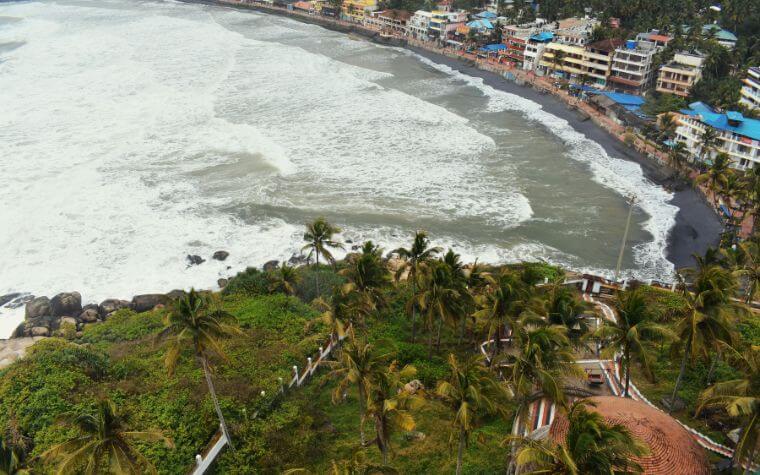
Kovalam is one of Kerala’s most established beach destinations and continues to attract travelers looking for rest, wellness, and scenic coastal views. Located near Thiruvananthapuram, Kovalam is known for its crescent-shaped beaches and calm atmosphere.
Lighthouse Beach is the main highlight, offering panoramic views of the Arabian Sea, especially during sunset. Kovalam has also earned a reputation as a wellness hub, with several Ayurvedic treatment centers and yoga retreats that attract international visitors.
Unlike party-focused beach destinations, Kovalam is calm and orderly. It works best for short stays, wellness trips, and travelers who prefer peaceful beach walks over nightlife.
Best Time to Visit: September to March
Ideal Duration: 1 day
7. Varkala – Cliffside Beaches with a Spiritual Touch
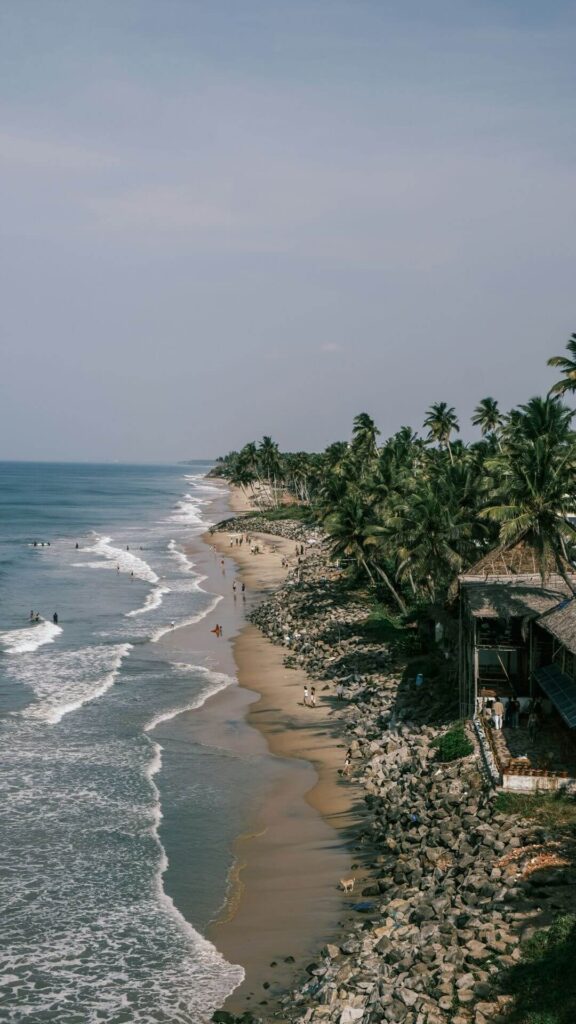
Varkala is one of the most unique coastal destinations in India. It is the only place in Kerala where cliffs rise directly next to the sea, creating dramatic views and a completely different beach experience compared to other parts of the state.
The Varkala Cliff is lined with cafés, yoga centers, small guesthouses, and shops, giving the area a relaxed and international vibe. At the base of the cliff lies Papanasam Beach, which holds spiritual importance and is believed to wash away sins, attracting both tourists and pilgrims.
Varkala is ideal for solo travelers, long-stay visitors, and those interested in yoga, wellness, and slow-paced beach life. It is less commercial than Kovalam and offers a more personal travel experience.
Best Time to Visit: October to March
Ideal Duration: 1–2 days
8. Thrissur – The Cultural Capital of Kerala
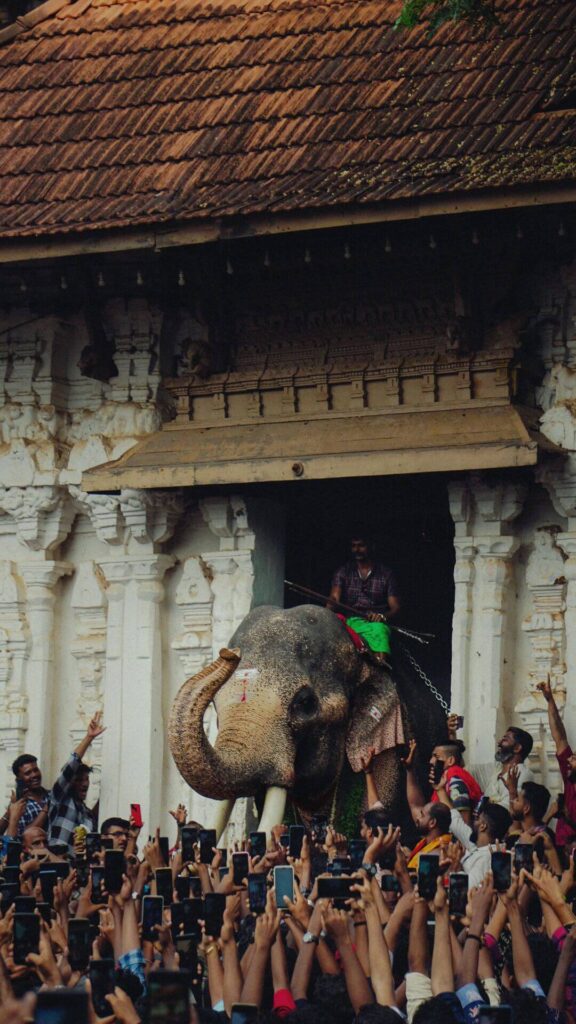
Thrissur holds a special place in Kerala’s identity as the cultural capital of the state. The city is deeply connected to Kerala’s traditional art forms, temple festivals, and religious harmony.
The most famous event here is Thrissur Pooram, one of India’s grandest temple festivals, known for its decorated elephants, percussion performances, and fireworks. Even outside festival season, Thrissur offers several temples, churches, museums, and cultural institutions that reflect Kerala’s heritage.
Thrissur also serves as a gateway to nearby wildlife sanctuaries, beaches, and waterfalls, making it a culturally rich stop in a Kerala itinerary.
Best Time to Visit: April to May (for Thrissur Pooram)
Ideal Duration: 1 day
Also Read: Read The 7 Best Places to Visit in Goa With Friends to Enjoy Good Times and Tan Lines
9. Thiruvananthapuram – Heritage, Administration, and Coastal Beauty
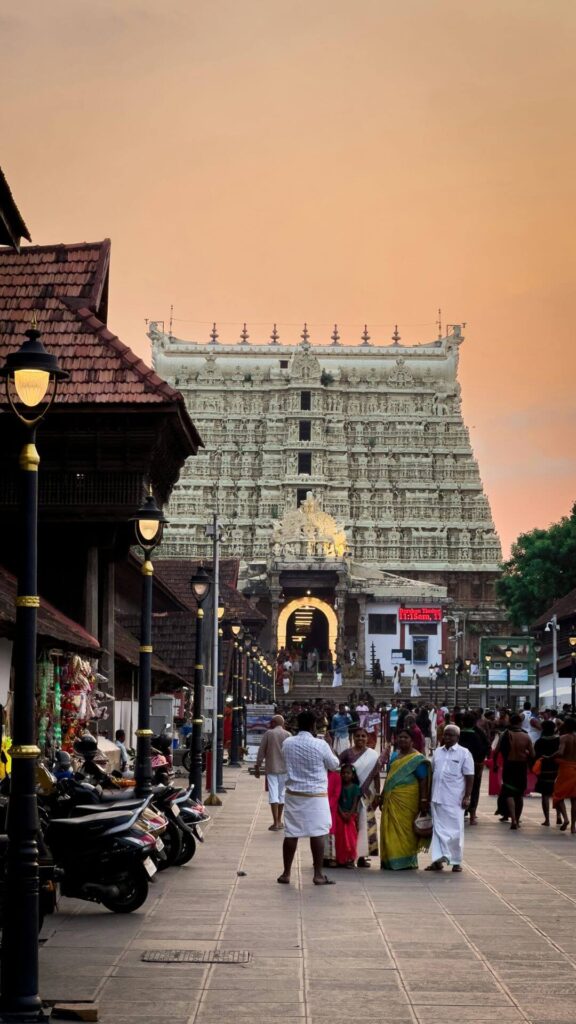
Thiruvananthapuram, the capital of Kerala, is a city that blends administration, heritage, and tourism in a balanced way. It is one of the greenest capital cities in India and offers a mix of temples, museums, beaches, and nearby hill destinations.
The Padmanabhaswamy Temple is the city’s most iconic landmark and one of the most significant temples in India. Apart from religious importance, the city also offers cultural centers, art galleries, and historical palaces that provide insight into Kerala’s royal past.
Its proximity to beaches like Kovalam and destinations like Ponmudi makes Thiruvananthapuram an excellent base for exploration.
Best Time to Visit: October to February
Ideal Duration: 1–2 days
10. Kozhikode (Calicut) – History, Spices, and Malabar Cuisine
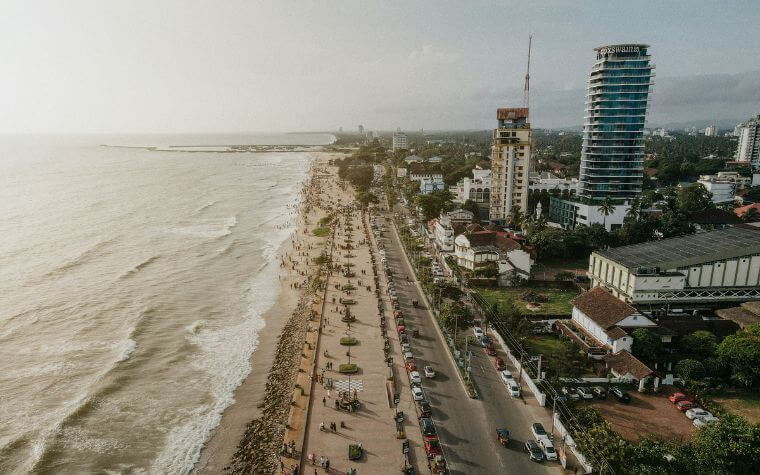
Kozhikode is a city deeply connected to India’s maritime history. It was here that Vasco da Gama first landed in 1498, marking the beginning of European trade relations with India. Over time, Kozhikode became one of the most important spice trading ports in the world.
Today, the city is known not only for its history but also for its rich Malabar cuisine. Kozhikode is often considered a food capital of Kerala, especially famous for biryani, seafood, and traditional sweets.
With clean beaches, cultural landmarks, and a strong local identity, Kozhikode offers a complete travel experience that combines history, food, and coastal beauty.
Best Time to Visit: July to April
Ideal Duration: 2–3 days
11. Kannur – Beaches, Forts, and Living Traditions
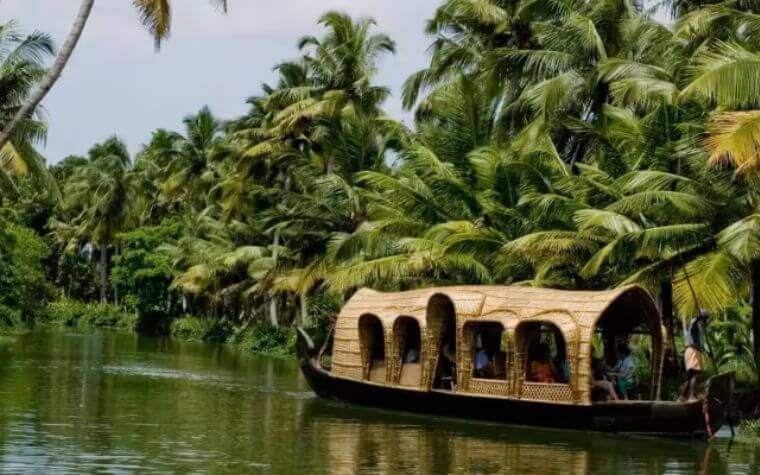
Kannur is one of Kerala’s most culturally rooted destinations and remains relatively untouched by mass tourism. The region is known for its long coastline, historic forts, and unique ritual art forms like Theyyam.
Muzhappilangad Beach, India’s only drive-in beach, is a major attraction and offers a completely different beach experience. St. Angelo Fort reflects Kannur’s colonial past and provides stunning views of the sea.
Kannur is ideal for travelers who want quiet beaches, cultural experiences, and a slower pace of travel compared to mainstream destinations.
Best Time to Visit: October to March
Ideal Duration: 1–2 days
12. Kumarakom – A Refined and Luxurious Backwater Experience
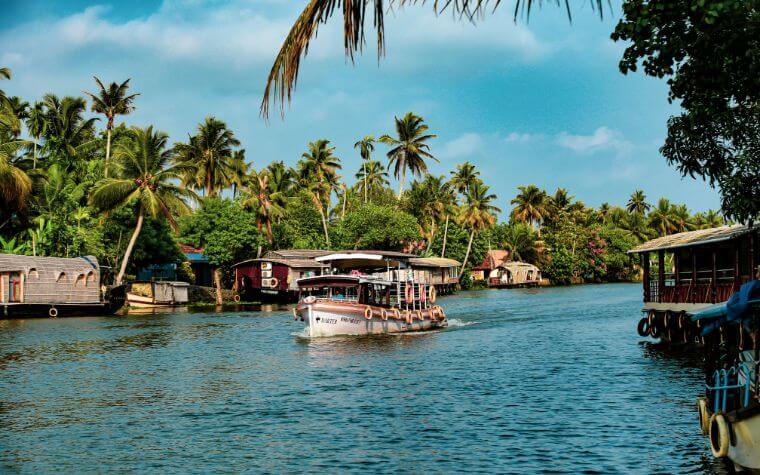
Kumarakom offers a quieter and more refined backwater experience compared to Alleppey. Situated on the banks of Vembanad Lake, it is best known for its luxury resorts, well-maintained surroundings, and a focus on comfort and privacy. This makes Kumarakom especially popular among honeymooners and travelers looking for a relaxed, premium stay.
Unlike Alleppey’s busy houseboat routes, Kumarakom focuses more on resort-based backwater experiences, including canoe rides, sunset cruises, and lakeside dining. The Kumarakom Bird Sanctuary adds another dimension, attracting migratory birds and nature enthusiasts.
The destination is perfect for travelers who want to enjoy Kerala’s backwaters without crowds, noise, or tight schedules.
Best Time to Visit: October to March
Ideal Duration: 1–2 days
13. Vagamon – A Peaceful Hill Escape Away from Crowds
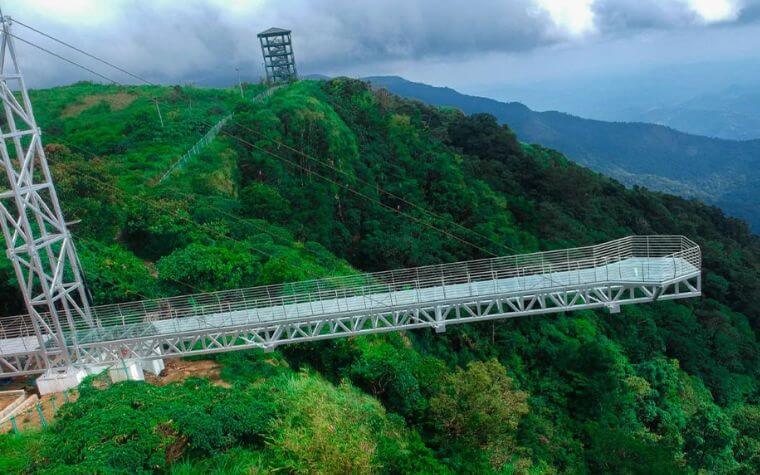
Vagamon is one of Kerala’s lesser-known hill destinations, making it ideal for travelers who prefer calm and open landscapes over busy tourist towns. The region is characterized by rolling meadows, pine forests, misty hills, and cool weather.
What sets Vagamon apart is its simplicity. There are no large commercial hubs or crowded markets—just open views, quiet roads, and natural beauty. It is particularly popular among couples, solo travelers, and those interested in photography or meditation.
Vagamon is not about ticking off attractions; it’s about slowing down and enjoying the surroundings at your own pace.
Best Time to Visit: September to March
Ideal Duration: 1–2 days
14. Athirappilly – Kerala’s Most Powerful Waterfall
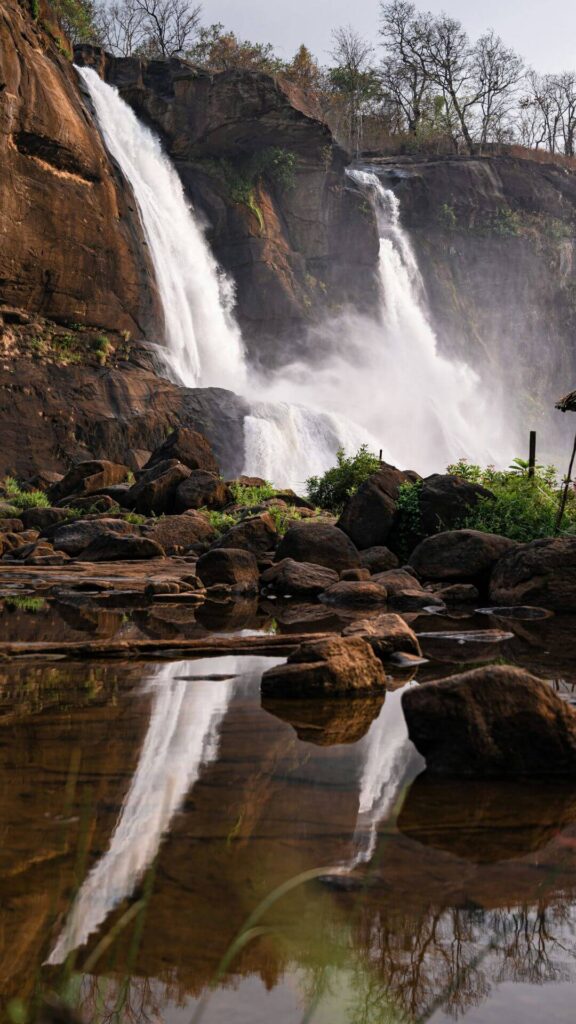
Athirappilly Waterfalls are often described as the most dramatic waterfalls in Kerala. Located amidst dense forest, the waterfall becomes especially impressive during the monsoon and post-monsoon months when water volume is at its peak.
The sight of water crashing down from a great height, surrounded by greenery, creates a powerful visual experience. The area is also ecologically important and has been used as a filming location for several Indian movies.
Athirappilly is best visited as a short trip or combined with nearby attractions rather than a long stay.
Best Time to Visit: June to October
Ideal Duration: Half day
15. Bekal – Forts, Beaches, and Quiet Coastal Views
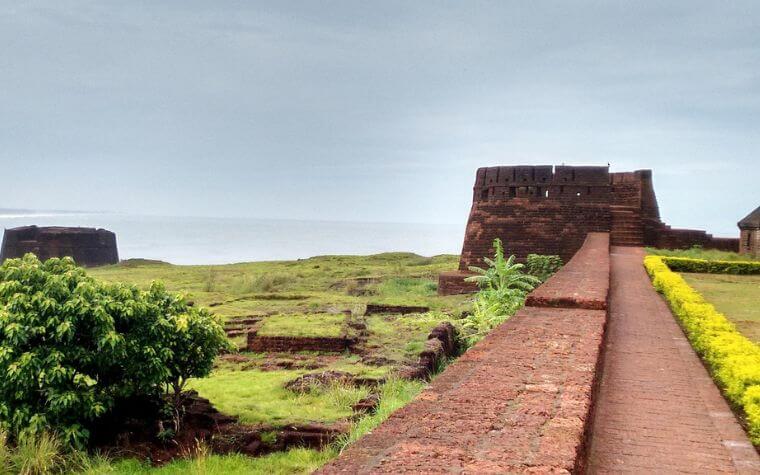
Bekal is a calm coastal destination best known for the massive Bekal Fort, which overlooks the Arabian Sea. The fort’s structure, open grounds, and sea-facing views make it one of the most scenic historical sites in Kerala.
Beyond the fort, Bekal offers clean, quiet beaches that are far less crowded than popular beach destinations further south. The region is ideal for travelers who want history, nature, and relaxation without heavy tourist activity.
Bekal works well as a short stop for those exploring northern Kerala.
Best Time to Visit: October to March
Ideal Duration: 1 day
16. Silent Valley National Park – One of India’s Last Untouched Rainforests
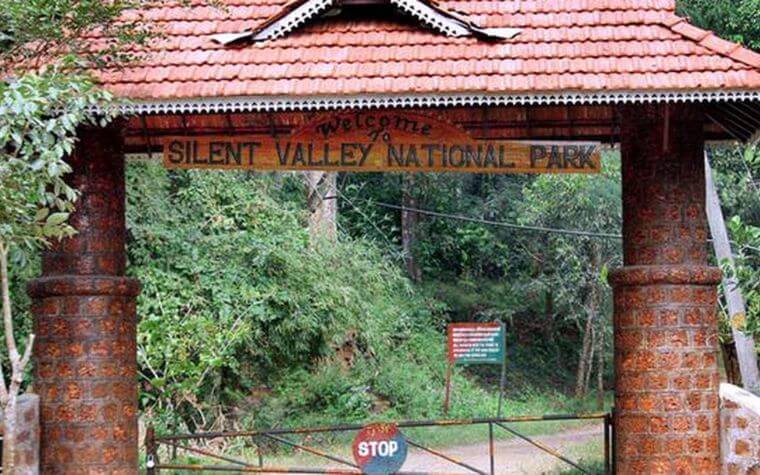
Silent Valley National Park is one of the most ecologically significant regions in India. It is a protected tropical rainforest that has remained largely untouched by modern development. The park is known for its biodiversity, rare plant species, and wildlife.
This destination is not about leisure tourism. It is meant for travelers who genuinely appreciate nature, conservation, and responsible travel. Guided visits and strict regulations help preserve its fragile ecosystem.
Silent Valley represents Kerala in its purest natural form.
Best Time to Visit: December to April
Ideal Duration: 1 day
Conclusion of Best Places to Visit in Kerala
Kerala is best experienced when you stop trying to see everything and start choosing destinations that match your travel expectations. The biggest mistake travelers make is rushing through too many places in too little time. In reality, Kerala rewards slow travel—long drives through scenic routes, relaxed mornings, and unplanned stops.
If you enjoy peaceful landscapes and water-based experiences, backwater destinations like Alleppey and Kumarakom deserve more time. If mountains and cool weather appeal to you, Munnar, Wayanad, and Vagamon offer completely different hill experiences.
For culture, history, and city life, Kochi, Thrissur, Kozhikode, and Thiruvananthapuram give you a deeper understanding of Kerala beyond just scenery. And for travelers who value untouched nature, Silent Valley and Thekkady provide rare ecological experiences that are worth preserving.
This list of the best places to visit in Kerala is designed to help you plan realistically—not just dream. Choose fewer destinations, travel at a comfortable pace, and focus on quality experiences rather than distance covered.
Kerala is not about ticking places off a list. It is about moments—watching the sun set over the backwaters, walking through tea gardens wrapped in fog, listening to temple drums in the distance, or simply sitting by the sea with no agenda. Travel it slowly, and Kerala will stay with you long after the journey ends.
For more travel tips and destination inspiration, follow India Best Places! ✈️🌍