
 India Best Places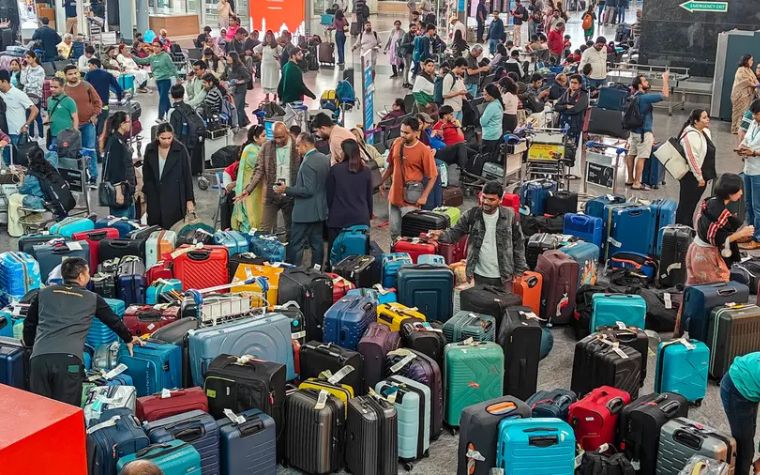
Table of Contents
Over the last few days, IndiGo passengers across India have faced one of the most disruptive travel periods in recent aviation history.
Over the past few days, anyone traveling by air in India has likely felt the impact of the massive operational disruption faced by IndiGo Airlines. From sudden flight cancellations to hours‑long delays and confused passengers at airports, the situation has caused widespread inconvenience. After closely tracking official updates, passenger experiences, and regulatory actions, here is a detailed, human‑first breakdown of what actually went wrong, how serious the situation is, and what travelers should realistically expect going forward.
This report is based on my own study of airline operations, regulator statements, and ground‑level passenger impact — not rumors or social media noise.
What Triggered the IndiGo Crisis?
The IndiGo issue did not erupt overnight. It was the result of multiple operational pressures colliding at the same time.
The primary trigger was the implementation of new Flight Duty Time Limitation (FDTL) rules introduced by India’s aviation regulator. These rules are designed to improve pilot safety by strictly limiting flying hours and ensuring mandatory rest periods. While the intent behind the rule is absolutely correct, its sudden enforcement exposed serious planning gaps in airline crew management — especially for a high‑frequency carrier like IndiGo.
IndiGo operates the largest fleet in India and relies on tight aircraft rotation schedules. When the new duty norms came into effect, a large number of pilots and cabin crew members were no longer legally available to operate flights already scheduled weeks in advance. This immediately created a shortage of active crew, forcing the airline to cancel or delay flights at very short notice.
At the same time, December is peak travel season. Year‑end holidays, weddings, tourism, and business travel all push passenger demand to its highest point. The combination of stricter regulations and seasonal traffic created the perfect operational storm.
Scale of the Disruption: How Big Was the Impact?
The numbers clearly show how serious the situation became.
On some days, over 100 flights were cancelled nationwide, affecting more than 20,000 passengers daily. Major hubs like Delhi, Mumbai, Bengaluru, Hyderabad, Chennai, and Kolkata experienced long queues, overcrowded terminals, and constant gate changes.
Even flights that were not cancelled often faced delays ranging from 1 to 6 hours. In several cases, passengers boarded aircraft only to be deplaned later due to crew unavailability.
IndiGo’s on‑time performance dropped sharply during the peak of the crisis, falling into single digits on certain days — something rarely seen for an airline known for operational efficiency.
For travelers with connecting flights, international departures, or time‑sensitive commitments, the disruption caused missed connections, hotel losses, and major stress.
Passenger Experience on the Ground
From a passenger’s point of view, the situation was extremely frustrating.
Many flyers reported receiving cancellation messages just hours before departure. Others found out only after reaching the airport. Customer support lines were overwhelmed, mobile apps crashed repeatedly, and airport staff struggled to manage the crowd.
Families traveling with children, elderly passengers, and first‑time flyers were particularly affected. While ground staff tried their best under pressure, the sheer scale of disruption made it impossible to provide instant solutions for everyone.
Refunds and rebooking options were offered, but alternative flights on other airlines were often fully booked due to the seasonal rush. This left many passengers stranded despite having valid tickets.
Government and DGCA Intervention
As the situation escalated, aviation authorities stepped in.
The Directorate General of Civil Aviation (DGCA) increased real‑time monitoring of IndiGo’s operations and deployed officials directly at the airline’s headquarters. This move was aimed at ensuring transparency and preventing further scheduling risks.
To stabilize operations, the regulator temporarily restricted IndiGo’s daily flight capacity by up to 10%, allowing the airline to rebuild schedules more realistically based on available crew strength.
In an unusual but necessary step, the government also agreed to temporarily ease certain implementation timelines of the new duty rules, ensuring safety was maintained without completely paralyzing operations.
This balanced approach helped prevent a total shutdown while keeping long‑term safety goals intact.
Financial Impact on IndiGo
Operational chaos at this scale comes at a heavy cost.
IndiGo has publicly estimated that it may need to pay over ₹500 crore in refunds, compensation, and passenger support costs due to cancellations and delays. This includes ticket refunds, hotel accommodation for stranded passengers, meals, and regulatory compensation obligations.
Beyond immediate payouts, the airline also faces reputational damage. IndiGo has built its brand on punctuality and reliability, and such large‑scale disruption inevitably affects customer trust — even if the root cause was regulatory change rather than negligence.
However, industry experts believe IndiGo’s strong financial position and market leadership will help it absorb the short‑term impact.
Is the Situation Improving Now?
Yes — slowly but steadily.
Over the last few days, IndiGo has restored most of its core city‑to‑city routes. Cancellation numbers have reduced, and on‑time performance is gradually improving. The airline has adjusted schedules, optimized crew deployment, and added buffer time between rotations.
That said, minor delays and last‑minute changes may still occur, especially on high‑density routes. Full normalization is expected only after crew rosters are fully aligned with the new duty rules.
Passengers traveling in the next few weeks should remain cautious but not panic.
What Travelers Should Do Right Now
If you have an upcoming IndiGo flight, here are some practical steps based on current conditions:
- Always check flight status directly from the IndiGo website or app before leaving for the airport
- Reach the airport earlier than usual, especially during peak hours
- Keep screenshots of booking details and notifications
- If your flight is cancelled, use official channels for refunds or rebooking — avoid agents
- If travel is flexible, consider flying during non‑peak hours
Staying informed reduces stress more than anything else.
Bigger Picture: Lessons for Indian Aviation
This episode highlights a deeper issue in India’s rapidly growing aviation sector.
As air traffic increases, operational planning must evolve at the same pace. Safety regulations are essential, but airlines also need realistic transition strategies. Sudden changes without buffer capacity expose passengers to chaos.
For travelers, this serves as a reminder that even the most reliable airlines are vulnerable to systemic changes. For airlines, it is a wake‑up call to invest more aggressively in crew strength, contingency planning, and passenger communication.
Final Thoughts
The IndiGo disruption was not caused by a single mistake but by a chain reaction of regulatory change, peak‑season demand, and operational limitations. While the inconvenience to passengers was real and serious, corrective steps are now clearly underway.
As of now, air travel in India is stabilizing again — but awareness remains key. If you’re flying soon, stay alert, stay updated, and plan with a little extra patience.
This situation may pass, but the lessons it offers to India’s aviation ecosystem are long‑lasting.
Published on India Best Places – Travel & News You Can Trust